



Late Goal; let’s be honest: there is nothing quite like the rush of an 89th-minute goal. Whether you’re a fan or a trader, that ball hitting the back of the net in the dying seconds is pure adrenaline.
But for most punters, betting on late goals is a bit like playing the lottery. They see a game is 0-0, they have a “feeling” a goal is coming, and they hit the “Over 0.5” button. Most of the time, they end up staring at a stalemate and a losing slip.
In reality, roughly 22% of all goals in top-tier leagues are scored after the 75th minute. That’s nearly a quarter of all goals! If you aren’t using a specific late goals betting strategy, you’re leaving money on the table: or worse, giving it to the bookies.
At Footy Amigo, we’re all about taking the guesswork out of the game. So, let’s look at 20 actionable examples of late-goal strategies to help you stop guessing and start using data.
Why do goals happen late? It’s not just luck. It’s a mix of tired legs, mental fatigue, and tactical desperation. When a team is trailing by one goal at the 80-minute mark, they stop caring about their defensive shape. They throw the centre-backs forward, they play long balls, and they leave massive gaps for counter-attacks.
From a data perspective, about 42.6% of matches have at least one goal after the 80th minute. That is a massive window of opportunity. But you can’t watch every game at once. This is where in play alerts become your best friend.
When the pre-match favourite (e.g., Man City or Real Madrid) is losing 1-0 at home at 80 minutes, the pressure is immense. Look for high “Dangerous Attacks” in the last 10 minutes.
A team fighting for a title or avoiding relegation needs 3 points, not 1. If it’s 1-1 at 85 minutes, both teams might go for the throat, leading to a late winner or a sucker-punch counter.
This is the classic. You’re looking for a 0-0 scoreline where the “Shots on Target” (SoT) count is high (e.g., 8+ combined). The odds for Over 0.5 goals usually skyrocket after the 80th minute.
Instead of Over 0.5, look at the Asian Goal Line (Over 1.0) around the 70th minute. If one goal is scored, you get your money back. If two are scored, you win. It’s a great way to [find value](https://footyamigo.com/5-steps-how-to-build-a-football-betting-system-and-find-value-easy-guide-for-beginners).
Second legs of cup games are goldmines. If a team needs a goal to avoid going out, they will go “all or nothing” in the final 10 minutes.
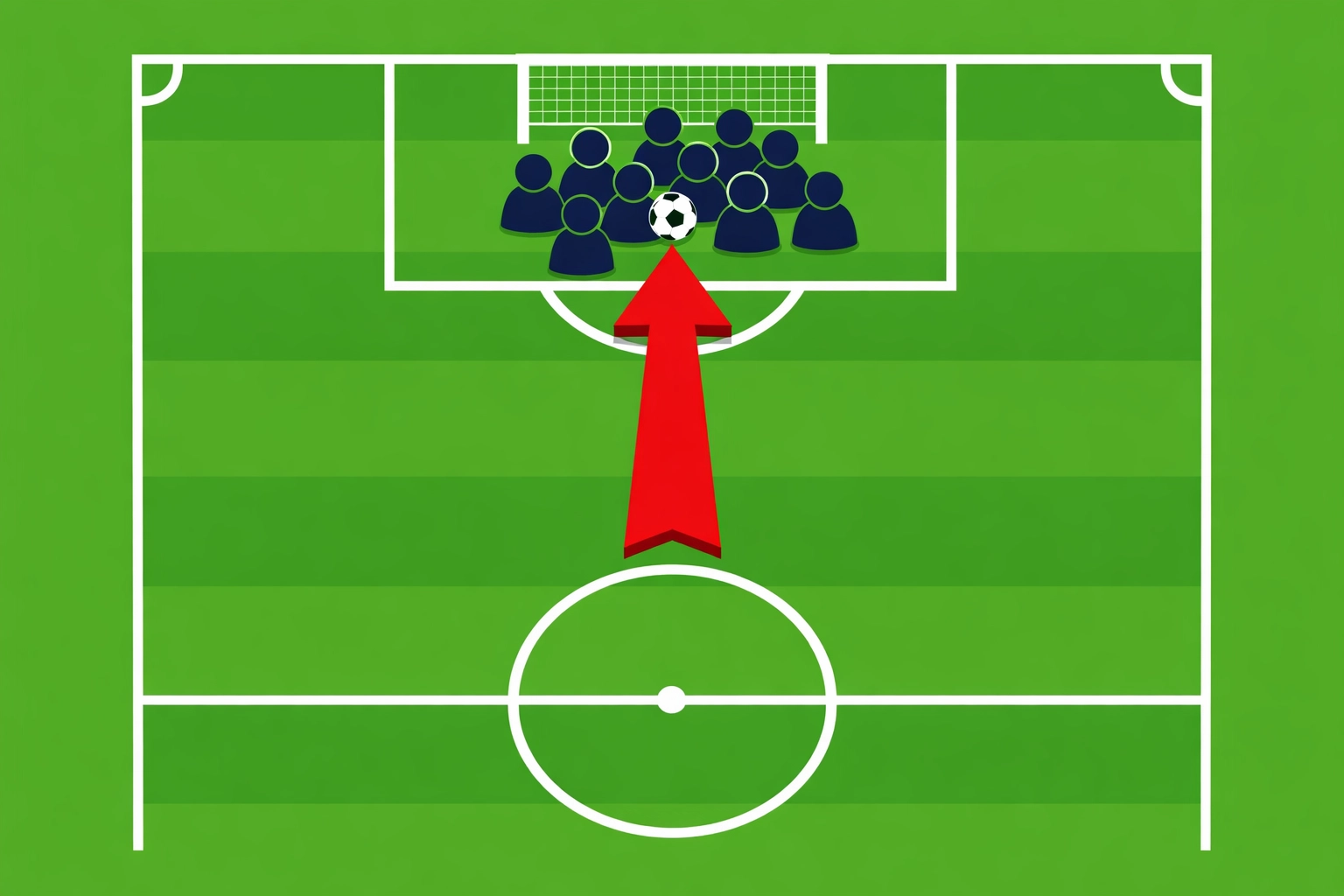
You shouldn’t just bet because the clock is ticking. You need triggers. These are the “if this, then that” rules that turn a punt into a football betting system.
If a team averages 1 dangerous attack per minute between the 70th and 80th minute, but suddenly hits 3 per minute between 80 and 85, a goal is brewing.
High corner counts in the last 10 minutes often signal sustained pressure. Three corners in five minutes usually means the defending team is panicked and just “clearing their lines.”
Look for games where a heavy underdog has been defending a 0-0 or 1-0 lead all game. Eventually, the “bus” they parked runs out of fuel. Stamina levels drop, and gaps appear.
Has a top-tier striker come off the bench at the 70th minute? Fresh legs against tired defenders are a recipe for an 85th-minute breakthrough.
If a team has 10 shots but only 1 on target, they are wasteful. If they have 4 shots and 3 on target, they are clinical. Bet on the clinical team to find that late opening.
Data is huge, but context is king. Here are some situational examples.
When two teams at the bottom play each other, a draw often helps neither. The final 10 minutes usually become a frantic end-to-end battle.
A red card at 70 minutes changes the geometry of the pitch. The team with 11 men has more space to exploit as the 10 men tire in the final stretch.
Some teams, like prime Liverpool under Klopp or “Fergie Time” United, have a culture of scoring late. Use Footy Amigo to track teams that score 20%+ of their goals in the final 10 minutes.
Is it raining heavily? Slippery pitches lead to keeper errors and defensive slips late in the game when concentration dips.
In knockout football, if a team is 1-0 down in injury time, the keeper comes up. This almost guarantees a goal: either for the attacking team or a counter-attack goal into an empty net.

How you enter the trade is just as important as why.
Wait until the 80th minute to place your Over 0.5 bet. The odds will be significantly higher than at the 70th minute. You are trading time for value.
Instead of “Over 0.5”, if one team is absolutely dominant, bet on them to be the “Next Team to Score”. You often get better odds than the general goal market.
If it’s 1-1 and both teams are flying forward, betting on “Both Teams to Score in the 2nd Half” (if they haven’t already) can be a high-value play.
In a 0-1 situation where the home team is dominating, “Backing the Draw” is effectively betting on a late home goal. This is a common [Betfair trading strategy](https://footyamigo.com/how-to-integrate-in-play-alerts-with-your-betfair-football-trading-strategy).
If you’ve backed Over 1.5 goals and it’s 1-0 at 85 minutes, you might choose to “cash out” or hedge a small amount on “Under 1.5” to protect your bankroll. However, be careful: don’t let fear dictate your [betting discipline](https://footyamigo.com/7-discipline-mistakes-youre-making-with-your-football-betting-strategies-and-how-to-fix-them).
You could sit in front of a TV and try to spot these 20 scenarios. But you have a life. You have a job. You might even want to go to the pub.
This is why pro traders use automated in-play alerts. Instead of scanning 50 games manually, you set a “Late Goal” template on Footy Amigo:
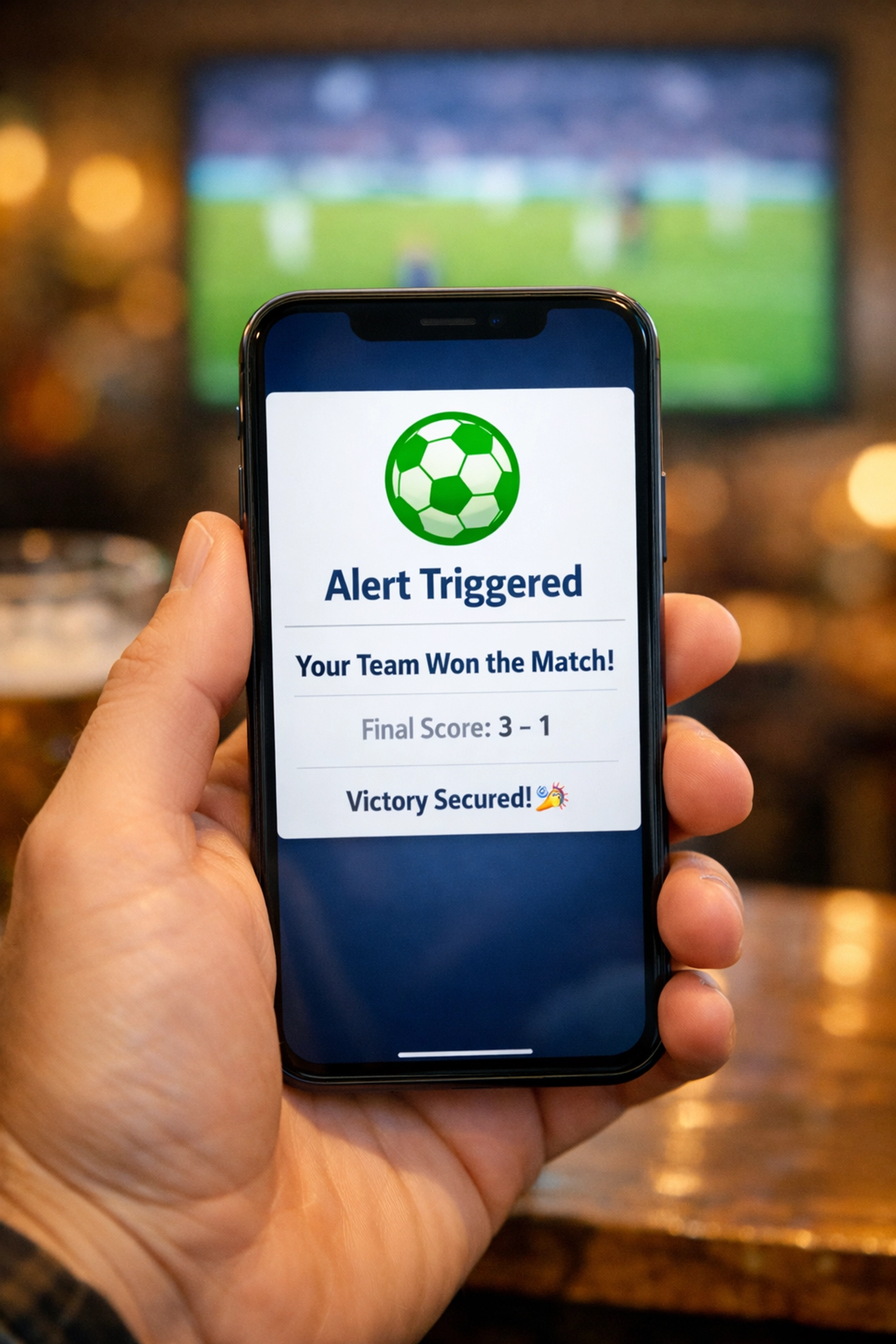
When a game matches these rules, your phone pings. You check the odds, see if there is value, and place the trade. It takes 30 seconds instead of 90 minutes.
Most people fail at late goal betting because they make these two mistakes:
Remember, betting is a marathon, not a sprint. Using betting analytics helps you stay objective when the clock is ticking down and your heart is racing.
Late goals aren’t random events; they are the result of specific match conditions. By using these 20 examples as a starting point, you can build a robust system that identifies high-probability opportunities.
Stop watching the clock and start watching the data. Whether it’s a desperate favourite or a high-pressure corner count, the numbers usually tell the story before the goal actually happens.
Practical Tip: Choose just one of these 20 strategies today. Set up an alert for it on Footy Amigo, and watch how it performs over the next 10 games without placing a penny. Once you see the data working, you’ll never go back to “gut feelings” again.
Happy trading! ⚽️📈